

Why Your Sticky Roller is Killing the Planet (And What to Do About It)
Honestly, I used to be part of the problem. I’d stand there in my living room, peeling sheet after sticky sheet off those cheap lint rollers, tossing them into the bin without a second thought. It felt productive. I was “cleaning,” right? But then one Tuesday, staring at a overflowing trash can filled with gray, fur-matted adhesive paper, it hit me. That ball of trash wasn’t going away. It was going to sit in a landfill, perfectly preserved in its plastic coating, for longer than I will be alive.
It made my stomach turn.
We obsess over plastic straws and reusable grocery bags, yet we give ourselves a free pass on pet hair removal. Why? Because we love our fur babies, and we just want the hair gone. But there has to be a way to keep our couches clean without choking the planet. That’s when I found the ChomChom Roller, and look, it isn’t just a tool; it’s a necessary shifting of habits.
The Waste Problem: We Need to Talk About the Trash
Let’s look at the ugly math. If you have a shedder—think Husky, German Shepherd, or just a really determined tabby cat—you are likely burning through two or three sticky sheets per cleaning session. Do that daily? That’s over a thousand sheets of non-recyclable, chemically-coated paper entering the waste stream every single year. From just one household.
These sheets aren’t biodegradable. They are paper fused with industrial adhesives. They don’t rot; they mummify. And the plastic handles? Cheap, brittle, and destined to snap, forcing you to buy the whole assembly again. It is the definition of planned obsolescence, designed to keep you buying refills forever while the planet pays the tab.
I can’t support that cycle anymore. It feels reckless.
The Sustainable Solution: Static Over Stickiness
The ChomChom Roller is different because it respects resources. It doesn’t rely on consumables. You buy it once, and unless you toss it under a lawnmower, it stays with you. The magic isn’t in chemical glue; it’s in simple, beautiful physics.

Here is how it actually works, minus the marketing fluff:
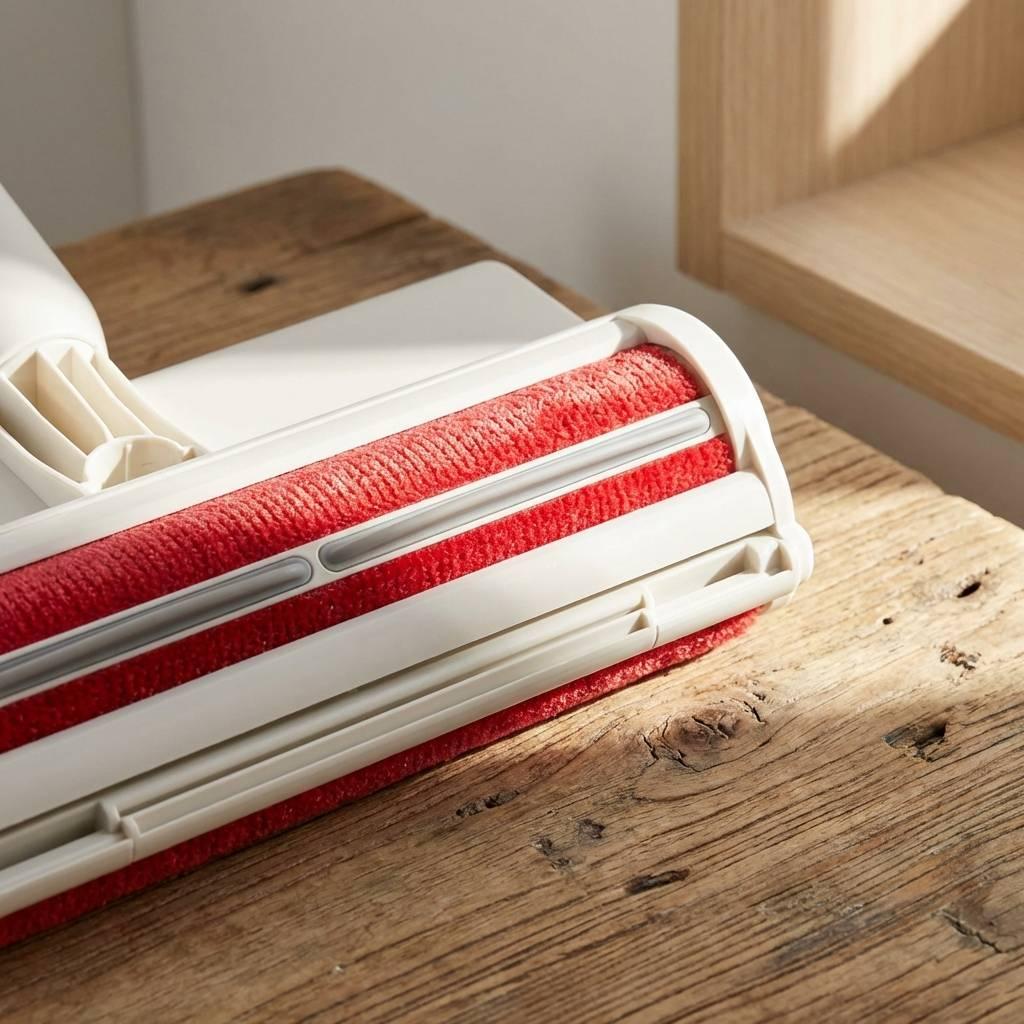
- The Mechanism: It uses directional velvet—those red strips you see on the bottom. When you push and pull the roller, it generates a localized static charge.
- The Trap: That charge grabs the hair, and the rubber squeegee blade flicks it into a hollow back compartment.
- The Emptying: You pop the lid, dump the fur ball into the compost (yes, pet hair is compostable!), and you’re done. Zero trash generated from the tool itself.
It feels heavier in your hand than those flimsy plastic wands. It feels substantial. When I use it, I don’t feel that nagging guilt of creating waste. I just hear the chom-chom sound of the chamber eating up the hair, and honestly, it’s the sound of a cleaner conscience.
The Impact: A 5-Year Timeline
Some people balk at the upfront price. “But Luna,” they say, “I can get a sticky roller for three dollars.” Sure, you can. But that cheap price tag is a lie. You are paying for it in refills, and the Earth is paying for it in space.
I broke down the environmental footprint of my own household to verify this:
| Feature | Sticky Tape Roller | ChomChom Roller |
|---|---|---|
| Waste Created (5 Years) | ~3,600 sheets + 10 plastic handles | Zero (1 durable unit) |
| Recyclability | None (Mixed materials) | High (ABS plastic is recyclable at end-of-life) |
| Chemicals | Adhesives & bleaching agents | None |
The difference is staggering. Switching to this manual roller is one of the easiest “zero waste” swaps you can make. It doesn’t require you to change your lifestyle or brew your own soap. You just stop buying the garbage option and start using the durable one.
Frequently Asked Questions
Is the ChomChom Roller actually plastic-free?
No, and I want to be clear about that. The body is made of ABS plastic. However, from a sustainability standpoint, durable plastic that lasts a decade is infinitely better than disposable plastic or coated paper you throw away daily. It’s about longevity, not just material type.
Can I really compost the pet hair I collect?
Yes! This is my favorite part. Since the ChomChom doesn’t use sticky glue, the hair it collects is “clean.” I dump the fur directly into my backyard compost bin. It’s nitrogen-rich and breaks down naturally. Don’t do this with sticky sheets—the glue contaminates the compost.
Does it work on everything?
It’s a beast on couches, blankets, and bed sheets. It struggles a bit on slick leather or really loose, thin clothing because it needs friction to create that static charge. For furniture, though? It’s unmatched.
How long does the red velvet last?
I’ve had mine for three years, and the velvet strips are still grabbing hair like day one. I wipe them down with a damp cloth occasionally to keep them fresh. It’s not something that wears out quickly.
Final Thoughts
We can’t be perfect. Living a zero-waste life in a modern world is incredibly hard, and sometimes we fail. But this? This is an easy win. The ChomChom Roller stops the cycle of buying and trashing, buying and trashing. It treats cleaning like a permanent solution rather than a disposable inconvenience.
Your sofa will look better, your wallet will eventually thank you, and most importantly, you won’t be contributing to that mountain of sticky paper sitting in a landfill somewhere. Make the switch.

This is a great reminder that even small daily items can contribute to larger environmental issues. I’ve been using sticky rollers forever without thinking about the waste, so I’ll definitely be considering more sustainable options moving forward.